Why Midlothian’s Temperature Swings Accelerate Ornamental Iron Fence Wear and Rust
Mansfield, United States – March 3, 2026 / Double Eagle Fence /
Double Eagle Fence Discusses Heat Expansion on Ornamental Iron Fences in Midlothian, TX
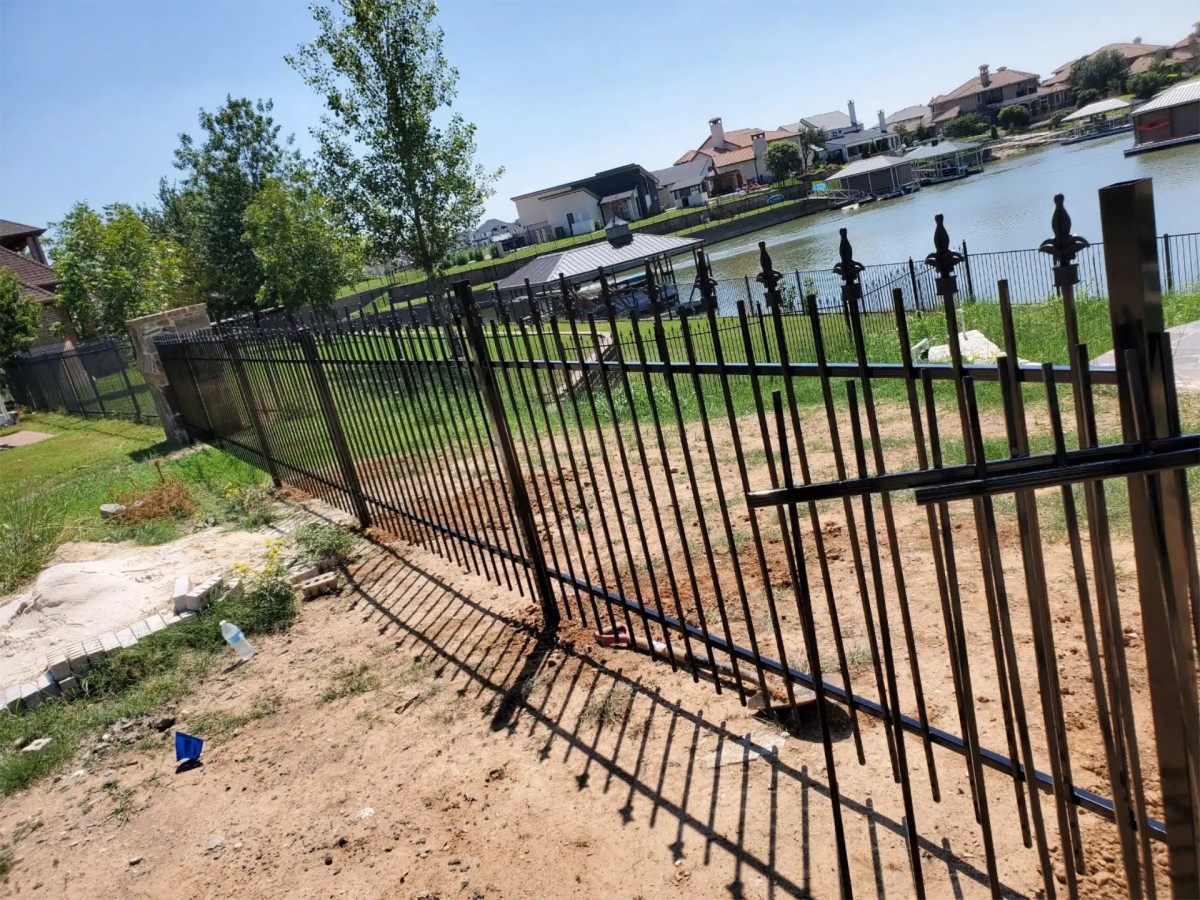
Midlothian, TX — Double Eagle Fence, a fence installation and repair specialist serving Midlothian, TX and the surrounding Ellis County area, is sharing detailed guidance to help property owners understand how Texas heat affects ornamental iron fencing in Midlothian and what steps protect against the long-term damage that thermal movement causes. With extreme summer heat and one of the widest annual temperature swings in the DFW metroplex, Double Eagle Fence is encouraging Midlothian property owners to take an informed and proactive approach to ornamental iron fence care before deterioration reaches a point that requires significant repair, while also understanding local factors such as Midlothian fence height and permit requirements that may affect installation or replacement decisions.
How Heat Expansion Works in Metal Fencing
Double Eagle Fence explains that all metals expand when heated and contract when cooled, and that this is a fundamental property of the material that cannot be eliminated. What determines how well an ornamental iron fence handles that movement is whether the fence was designed and installed with thermal expansion in mind from the start. A fence with no allowance for that movement is essentially working against itself through every heating and cooling cycle as the material tries to expand and the rigid connections resist.
What makes Midlothian particularly demanding for ornamental iron fences is not just summer heat in isolation — it is the full annual range the material must cycle through. Temperatures in Midlothian typically vary from 37°F to 96°F over the course of the year Weather Spark, and that full swing represents the total thermal stress a fence experiences across twelve months. An ornamental iron fence exposed to direct sun on a Midlothian summer afternoon experiences measurable expansion across the length of each panel within a single day. When that expansion has nowhere to go, the resulting stress concentrates at the weakest points in the system — and when winter arrives and temperatures drop toward freezing, the same points experience the opposite stress as the material contracts. That cycle repeats continuously, year after year.
Where Heat Expansion Causes the Most Damage
Double Eagle Fence identifies several specific areas where thermal stress tends to concentrate and cause the most meaningful damage over time.
At post and panel connections, expanding panels push against fixed posts and place repeated stress on the hardware at those connection points through every daily heating and cooling cycle. Over time, fasteners loosen, welds develop hairline cracks, and the fit between panel and post shifts in ways that affect both the appearance and the structural integrity of the fence line.
Gates are particularly sensitive to heat expansion because they must operate smoothly within a fixed frame opening. August in Midlothian carries an average heat index of 111.2°F Weather U.S. — meaning a gate that opens and closes without issue on a mild spring morning may bind or drag by peak afternoon on a summer day as thermal expansion reduces clearance between the gate and the frame. Repeated thermal stress on hinges, latch mechanisms, and frame connections accelerates wear and can eventually lead to hardware failure or misalignment that prevents proper operation altogether.
Welded connections between pickets, rails, and decorative elements are also vulnerable. While quality welds are strong, they are fixed points in a material that is actively trying to move. Heat expansion places cyclical stress on every weld in the fence system, and welds that were not properly finished and sealed are more susceptible to cracking that allows moisture to penetrate and accelerate rust from the inside out.
The Relationship Between Heat Damage and Rust
Double Eagle Fence highlights the direct connection between heat expansion damage and rust development in Midlothian’s specific conditions. Unlike drier parts of Texas where heat is the primary factor, Midlothian’s summers combine intense heat with meaningful humidity. Humidity in Midlothian during peak summer months runs close to 61% World Weather — meaning that when thermal movement cracks or chips protective coatings, the bare iron underneath is immediately exposed to both heat and moisture simultaneously. Iron rusts quickly once its protective barrier is compromised, and the rust that forms at a cracked weld or chipped coating point does not remain localized. It spreads outward under the remaining finish, lifting it from the surface and progressively widening the area of exposure over time.
Midlothian’s wide annual temperature range compounds this problem in a way that a consistently hot but drier climate does not. The contraction stress of winter cold snaps creates new cracking and chipping opportunities at the same coating points that summer expansion has already weakened — giving moisture additional entry points through every seasonal transition.
Staying ahead of rust requires staying ahead of the coating damage that thermal cycling contributes to on a continuous basis.
The Critical Role of Protective Coatings
According to Double Eagle Fence, our local team understands that a high-quality protective coating is the most important line of defense an ornamental iron fence has against the combined effects of heat, thermal cycling, and the elements in Midlothian’s climate. Powder coating is the preferred option for Ellis County conditions because it bonds directly to the metal surface and provides a more durable and heat-resistant finish than traditional paint — better equipped to withstand both the summer heat index extremes and the full seasonal temperature swing that Midlothian property owners deal with year-round. Even powder coating requires periodic inspection and touch-up, particularly at connection points and anywhere the surface has been scratched or impacted, to maintain its effectiveness as a barrier against rust and further coating breakdown.
Regular inspection of the fence allows Midlothian property owners to identify and address coating damage before thermal stress cycles have the opportunity to worsen it further. A small compromised area caught in spring before the summer heat cycle begins is a minor repair. The same area discovered after a full season of 111°F heat index afternoons and elevated humidity is a significantly more involved one.
Get in Touch With Double Eagle Fence
Midlothian, TX property owners who want their ornamental iron fence properly installed, inspected, or repaired by a team with a thorough understanding of local Ellis County conditions are encouraged to contact Double Eagle Fence directly. Call (214) 530-9444 to schedule a consultation, or see how to get here to take a proactive step toward protecting the fence investment on your property.
Contact Information:
Double Eagle Fence
1206 Oakmont Ct, Mansfield, TX 76063, United States
Mansfield, TX 76063
United States
Lance Dunaway
(214) 530-9444
https://www.doubleeaglefence.com