
Little Rock, AR – July 31, 2026 – PRESSADVANTAGE –
Bale Collision Center is highlighting the importance of repair planning for modern vehicles as advanced automotive technology continues transforming the collision repair process and increasing the need for organized repair strategies before restoration begins.
According to the company, today’s vehicles incorporate sophisticated structural designs, lightweight materials, advanced driver-assistance systems (ADAS), and complex electronic components that require careful evaluation before repairs are performed. Developing a detailed repair plan helps technicians understand the scope of damage, coordinate repairs efficiently, and prepare for the specialized procedures required by many modern vehicles.
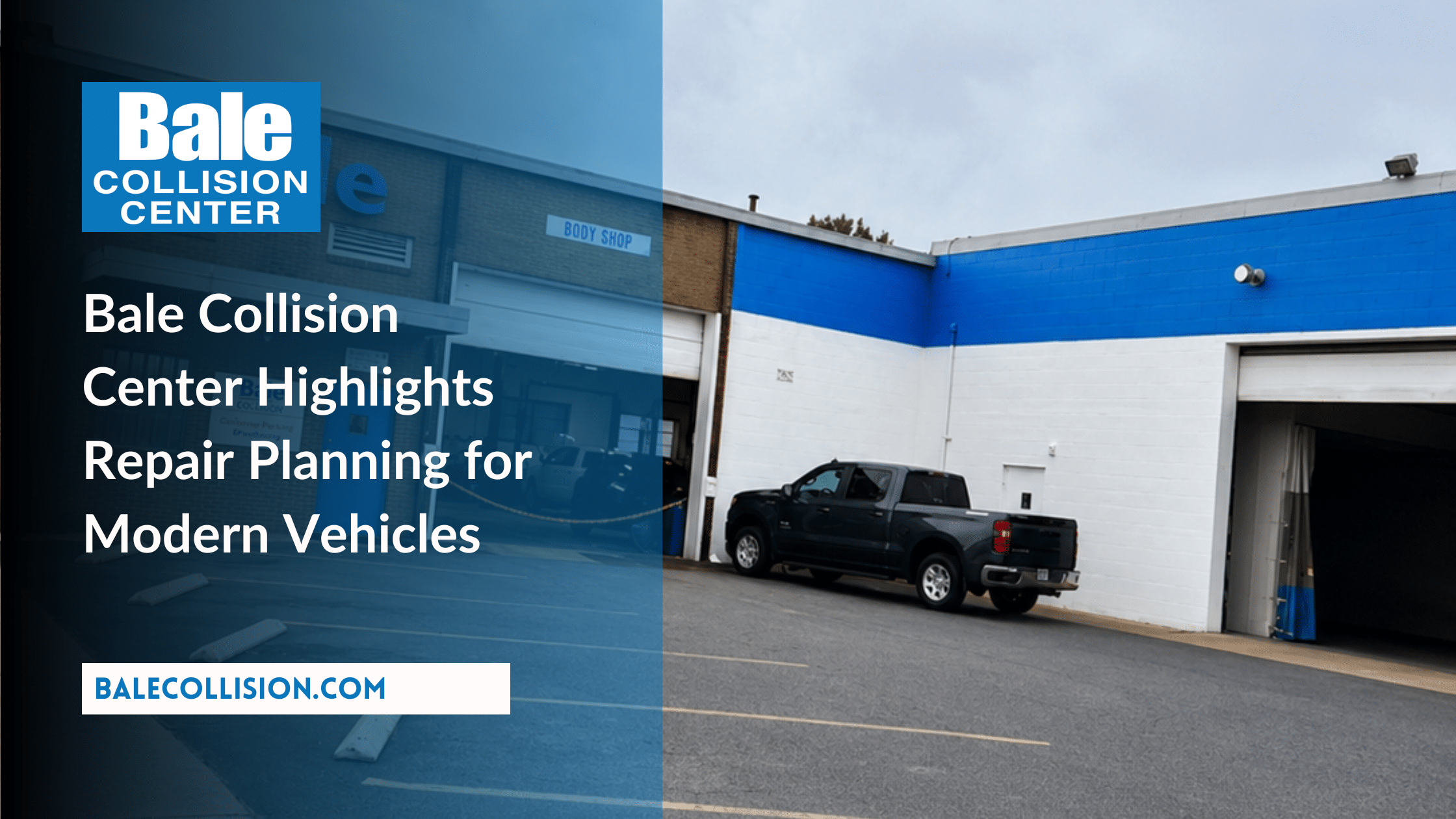
Serving drivers throughout Downtown Little Rock and surrounding Central Arkansas communities, Bale Collision Center begins every collision repair with a structured assessment designed to evaluate vehicle damage, review manufacturer repair information, and organize the repair process before work moves forward.
“Modern collision repair starts with careful planning,” said a representative of Bale Collision Center. “By taking time to thoroughly evaluate the vehicle and organize the repair process, our team can prepare for each stage of the restoration while helping customers better understand what to expect.”
The company explains that repair planning extends well beyond documenting visible body damage. Technicians inspect structural components, suspension systems, mounting locations, body panels, and safety-related equipment while reviewing repair procedures specific to the vehicle. This comprehensive evaluation provides the information needed to develop a repair strategy tailored to the individual vehicle.
According to Bale Collision Center, repair planning also prepares technicians for hidden damage that may become visible during disassembly. Following a collision, structural reinforcements, attachment points, brackets, or internal components may have been affected even if exterior damage appears limited. Anticipating these possibilities allows technicians to adjust repair plans efficiently while maintaining communication with customers and insurance providers if supplemental repairs become necessary.
The company notes that organized repair planning improves coordination throughout the repair process. Estimators, body technicians, refinish specialists, parts coordinators, and quality-control personnel all rely on detailed repair documentation to perform their respective responsibilities. Establishing a clear repair roadmap before restoration begins helps improve workflow while reducing unnecessary delays during repairs.
Manufacturer repair information has become an increasingly important component of repair planning. Automakers regularly publish repair procedures covering structural repairs, material handling, replacement methods, welding requirements, diagnostic procedures, and inspection recommendations for specific vehicle models. Bale Collision Center reviews current manufacturer information when preparing repair strategies to support today’s increasingly complex vehicle designs.
The company also explains that modern vehicles frequently utilize multiple materials within a single body structure, including high-strength steel, aluminum, and advanced composite materials. Each material requires specialized repair techniques and equipment. Identifying these materials during the planning stage helps technicians prepare the appropriate repair methods before work begins.
Customer communication remains an essential part of repair planning. Vehicle owners often ask why inspections take time before repairs begin, why additional repairs may sometimes be discovered after disassembly, or how repair timelines are established. Bale Collision Center believes educating customers about the planning process helps set realistic expectations while providing greater confidence throughout the repair experience.
Parts coordination also benefits from comprehensive repair planning. Identifying replacement components early allows repair teams to organize ordering, schedule repairs efficiently, and reduce interruptions once restoration work is underway. This proactive approach supports both repair quality and operational efficiency.
As vehicle technology continues advancing, repair planning increasingly includes diagnostic evaluations, electronic system inspections, calibration preparation, refinishing coordination, and quality-control scheduling. Bale Collision Center continues investing in technician education and repair planning practices that help the team remain current with evolving manufacturer recommendations and industry best practices.
The company believes thoughtful repair planning ultimately benefits both customers and technicians. Establishing a structured repair strategy before restoration begins supports clear communication, efficient coordination, and consistent workmanship throughout every stage of the repair process. This organized approach reflects the growing complexity of modern collision repair while helping ensure each vehicle receives individualized attention.
Through its continued emphasis on repair planning for modern vehicles, Bale Collision Center serves drivers throughout Downtown Little Rock and surrounding Central Arkansas communities with collision repair services supported by detailed inspections, organized repair strategies, and transparent customer communication. The company remains committed to combining experienced technicians, advanced repair planning, and manufacturer-informed procedures to restore today’s increasingly sophisticated vehicles.
More information about collision repair services is available through Bale Collision Center. Additional company updates and repair information are available through Bale Collision Center on Facebook.
About Bale Collision Center
Bale Collision Center is a collision repair provider serving drivers throughout Central Arkansas with locations in Chenal and Downtown Little Rock. The company provides collision repair, auto body repair, ADAS calibration, automotive glass replacement, auto paint refinishing, paintless dent repair, and related vehicle restoration services. Bale Collision Center emphasizes technician education, manufacturer-informed repair procedures, advanced repair technology, and customer communication throughout every stage of the repair process.
###
For more information about Bale Collision Center, contact the company here:
Bale Collision Center (Downtown)
Jason Spiller
(501) 375-0910
jspiller@baleautomotive.com
100 N Cross St, Little Rock, AR 72201, United States


