
Key Takeaways
- Personal trainers typically help a broad range of clients improve general fitness, build strength, manage weight, increase mobility, and exercise more consistently.
- Strength coaches tend to focus more heavily on measurable physical performance, including strength, power, speed, and athletic development.
- There is considerable overlap between the two roles, so the professional’s experience, education, certifications, and coaching approach can matter more than the job title alone.
- Strength coaching isn’t exclusively for competitive athletes. Recreational lifters and adults who want to become stronger can also benefit from performance-focused programming.
- Choosing between a personal trainer and strength coach ultimately depends on your goals, experience level, and the type of training support you want.
Personal trainers and strength coaches can look surprisingly similar from across the gym floor. Both may teach squats, correct lifting technique, write exercise programs, and track a client’s progress. Yet the goals behind those workouts can be quite different.
Personal training generally covers a broader range of health and fitness objectives, while strength coaching places greater emphasis on developing measurable physical capabilities such as strength, power, speed, and athletic performance.
That distinction can help when deciding who to work with. But job titles only tell part of the story. The individual coach’s qualifications, experience, specialisation, and approach can be just as important.
Personal Trainer vs. Strength Coach: What’s The Main Difference?
The simplest distinction is the outcome each professional typically works toward.
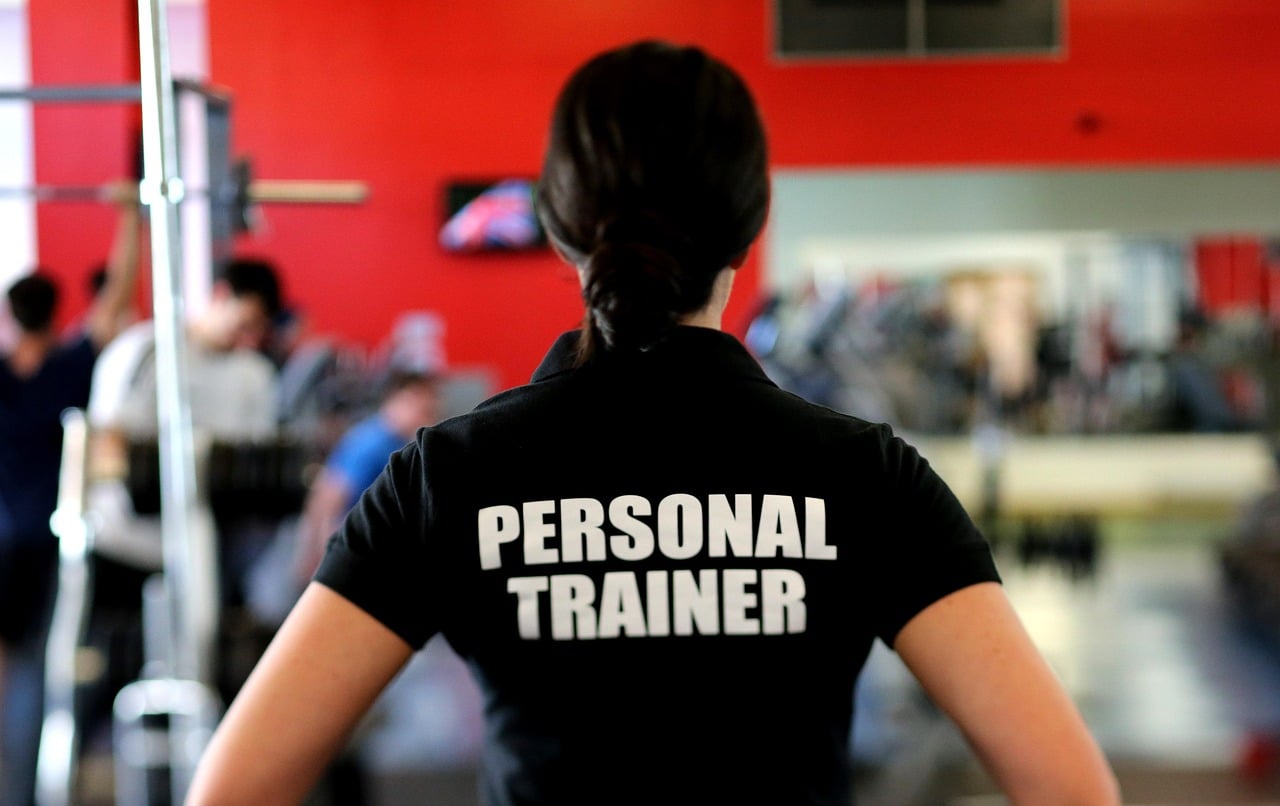
A personal trainer usually helps clients pursue general fitness goals. That could mean becoming stronger, improving cardiovascular fitness, losing weight, increasing mobility, learning how to exercise safely, or simply developing a consistent workout routine.
A strength coach generally takes a more performance-focused approach. Training may be designed around increasing strength, developing power or speed, improving athletic capacity, or progressing toward specific performance benchmarks.
There is no perfectly defined boundary between the two. A personal trainer can specialise in strength training, while a strength coach may work with clients who have no intention of competing in a sport. Understanding what the individual professional actually does is therefore more useful than relying entirely on the title.
What Does A Personal Trainer Do?
Personal trainers work with people across a wide range of ages, abilities, and experience levels. For someone new to exercise, that might involve learning basic movement patterns, becoming comfortable using gym equipment, and establishing a manageable routine.
Other clients may want to improve strength, change their body composition, increase mobility, build cardiovascular fitness, or return to regular exercise after a long period of inactivity.
Personal training can therefore combine several areas of fitness within the same program. Sessions may include resistance training, cardiovascular exercise, mobility work, technique instruction, and progressive adjustments as the client’s abilities change.
Accountability can also be an important part of the relationship. Some people already know that exercise is beneficial but struggle to train consistently or structure their workouts effectively. A personal trainer can provide that structure while adapting the program to the individual’s goals and current ability.
What Does A Strength Coach Do?
Strength coaches traditionally have strong associations with athletes, sports teams, and competitive performance. Their role commonly involves improving physical qualities that contribute to performance, including strength, power, speed, explosiveness, and muscular capacity.
Training tends to be deliberately progressive. A coach may manipulate exercise selection, resistance, repetitions, training volume, intensity, frequency, and recovery based on the outcome being pursued. Progress can then be assessed against specific performance measures.
For an athlete, those measures might relate to sprinting, jumping, strength, or sport-specific physical demands. For someone who isn’t an athlete, the objective could be simpler: becoming substantially stronger, improving particular lifts, overcoming a training plateau, or following a more structured strength program.
What About Qualifications?
This is where relying on titles becomes particularly difficult. Neither “personal trainer” nor “strength coach” automatically tells you everything about someone’s expertise.
Qualifications can include professional certifications, formal education in exercise science or related fields, continuing education, practical coaching experience, and specialised training.
Experience with a particular type of client matters too. According to the specialists from Swansea Strength & Conditioning, a coach who primarily works with competitive athletes may have impressive credentials but may not necessarily be the best match for a beginner who wants to develop confidence in the gym. Similarly, a general fitness trainer may not have the specialisation someone wants when preparing for a strength competition or pursuing advanced performance goals. Looking at the person behind the title provides a better comparison.
Do You Need A Strength Coach If You’re Not An Athlete?
Not necessarily, but being a competitive athlete isn’t a prerequisite for working with one.
Some recreational lifters enjoy performance-oriented training and want measurable progression. Others may have trained independently for years but reached a point where their strength has stopped improving.
Strength can also become an important goal later in adulthood as people become more interested in maintaining physical capability and independence.
In each case, structured strength coaching may fit the person’s goals even though there is no competitive sport involved. The relevant question isn’t simply, “Am I an athlete?” It’s, “What am I training to accomplish?”
When Might A Personal Trainer Be A Better Fit?
Personal training can make sense when the goals are broad or when someone wants more general support with exercise.
That could include getting started in the gym, improving overall fitness, building an exercise habit, learning proper technique, increasing mobility, or combining strength and cardiovascular training.
Someone whose priorities are still evolving may also appreciate a broader approach instead of specialising immediately.
A strength coach may be a stronger match when the objective is more performance-specific, such as increasing maximal strength, developing power or speed, improving athletic performance, preparing for competition, progressing particular lifts, or following a structured strength program.
Questions To Ask Before Choosing A Coach
Before hiring either professional, it helps to look beyond the title. Ask what types of clients they regularly coach and whether they have experience with your particular goal. Find out about their education and certifications, how they design programs, how progress is measured, and how training changes when someone stops progressing.
It can also be useful to discuss previous injuries, physical limitations, training history, and expectations around communication and accountability.
Those conversations provide much more information about whether the relationship is a good fit than the words printed on a business card.
Final Thoughts: Choose The Coach, Not Just The Title
The difference between a personal trainer and a strength coach is useful, but it shouldn’t become the only factor in choosing someone to work with.
Personal trainers generally cover a broader range of fitness goals, while strength coaches tend to specialise more heavily in strength and physical performance. In practice, however, those roles frequently overlap.
An experienced personal trainer who specialises in strength development may be better suited to a particular strength goal than someone who simply uses the title “strength coach.” Likewise, a highly performance-focused coach may not be the right match for someone primarily trying to build confidence and consistency with exercise.
Start with the outcome. Once you know what you want your training to help you accomplish, it becomes much easier to evaluate which professional has the experience, qualifications, and coaching approach to help you work toward it.
Swansea Strength & Conditioning Ltd
The Village Hotel, Langdon Rd,
Swansea
Swansea
SA1
United Kingdom


