
New Survey Shows Tomorrow’s CRNAs Want Obstetrics and Trauma, the Specialties Hospitals Struggle Most to Staff
PR Newswire
DALLAS, Oct. 22, 2026
U.S. Anesthesia Partners survey of nurse anesthesia students also finds work-
life balance tops their list for a first job
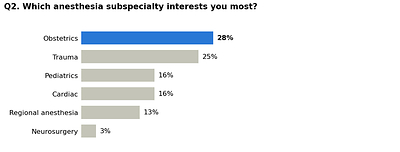
DALLAS, Oct. 22, 2026 /PRNewswire/ — A group of student registered nurse anesthetists (SRNAs) said that obstetrics is the anesthesia subspecialty that most interests them, with trauma finishing a close second.
That is the headline finding of a survey of SRNAs at the fourth annual Future Leaders in Anesthesia (FLA) conference, hosted by U.S. Anesthesia Partners, Inc. (USAP) in Austin, Texas, from September 27-28, 2026. The conference drew 121 SRNAs from across the country, specifically selected as future leaders by their program faculty. A parallel resident anesthesiologist track was attended by 90 physician residents.
In the SRNA survey, obstetrics led with 28 percent of responses. Trauma drew 25 percent. Together they outpaced pediatrics, cardiac, regional anesthesia and neurosurgery combined.
The interest lands where the need is acute. Labor and delivery units and trauma centers must keep anesthesia clinicians available around the clock, whatever the day’s case volume. Those are the positions hospitals report the most trouble filling.
“The career market continues to be highly favorable for CRNAs, allowing them to explore a variety of opportunities to satisfy their individual goals and interests. This optionality includes facility type, workload, scheduling preferences, and especially opportunities to fill sub-specialty clinical needs” said Neal Grabarkewitz, Senior Vice President, Clinical Talent Solutions at USAP.
Work-life balance
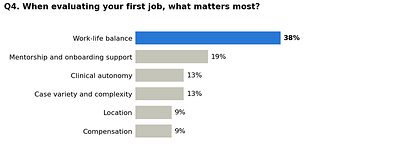
Asked what matters most when weighing a first job, SRNAs put work-life balance on top. It drew 38 percent of responses, double the share for mentorship and onboarding support (19 percent). Compensation drew 9 percent.
The shortage of anesthesia clinicians gives these graduates more opportunities. Today’s new CRNAs have more choices of specialty, geographic location and workplace setting, hospital or ambulatory surgery center (ASC), than any class before them.
The numbers show why. The National Center for Health Workforce Analysis projects a shortage of 10,660 anesthesiology physicians nationally by 2038. The share of U.S. facilities reporting anesthesia staffing shortages jumped from 35 percent in early 2020 to 78 percent in late 2022, according to the American Society of Anesthesiologists. The pressure hasn’t eased.
Workplace options keep multiplying. The country now has about 11,500 ASCs, roughly 15 percent more than a decade ago, and each one needs its own anesthesia coverage.
The students’ priority matches the profession’s: 61 percent of anesthesiologists prefer better work-life balance to higher pay.
Student interest matches professional need
Obstetric and trauma anesthesia demand clinicians on site at all hours, and that is where coverage is thinnest.
In obstetrics, a 40-year national workforce survey of 1,180 U.S. hospitals found the number of hospitals offering obstetric services has fallen by half over four decades. Many still lack in-house anesthesia coverage on nights and weekends, even some with high delivery volumes.
In trauma and obstetrics alike, hospitals report growing difficulty securing coverage for trauma calls, obstetrics and off-hours shifts, according to a February 2026 analysis by advisory firm Stout.
This year’s FLA conference marked its fourth year. The FLA brings anesthesiology residents and SRNAs to Austin each September as guests of USAP.
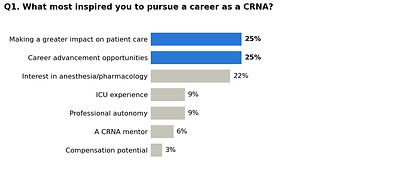
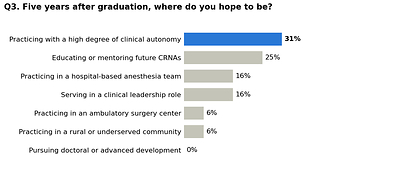
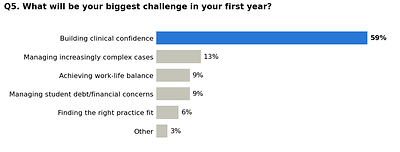
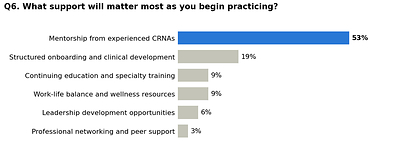
Survey charts
Share of responses to each question. Blue marks the top answer.
About U.S. Anesthesia Partners
U.S. Anesthesia Partners, Inc. (USAP) is a physician-owned and clinician-led organization dedicated to providing high-quality anesthesia services. USAP anesthesiologists, certified registered nurse anesthetists (CRNAs) and certified anesthesiologist assistants (CAAs) work in more than 700 facilities across the country to provide anesthesia care for nearly 3 million cases annually. USAP’s 5,000 clinicians have expertise in many anesthesia subspecialties, including pediatric, cardiac and obstetric anesthesia. USAP’s data-driven quality metrics enable continuous innovation and improvements that are shared across the organization, facilitating the delivery of consistent, high-quality services for patients, surgeons, facilities, and health plans. To learn more about USAP, visit
http://www.usap.com/.
Media contact:
Frank Ahrens, BGR PR
fahrens@bgrpr.com
202.661.6313
 View original content to download multimedia:https://www.prnewswire.com/news-releases/new-survey-shows-tomorrows-crnas-want-obstetrics-and-trauma-the-specialties-hospitals-struggle-most-to-staff-302916935.html
SOURCE USAP


